Home About Explore Visitor Guide Blog FAQ Contact Buy Tickets

The Story of Beylerbeyi Palace

A journey through 160 years of imperial grandeur, architectural brilliance, and royal heritage on the shores of the Bosphorus.

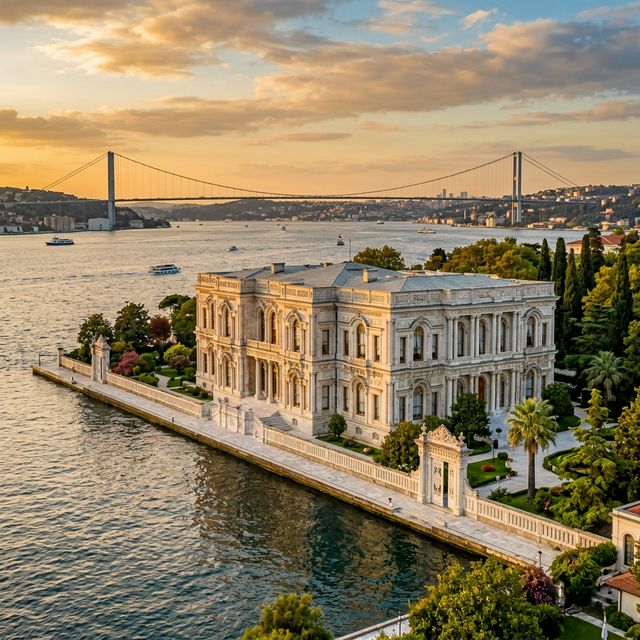
Beylerbeyi Palace exterior on the Bosphorus at golden hour

An Imperial Summer Residence

Beylerbeyi Palace (Beylerbeyi Sarayı) is one of the most magnificent Ottoman imperial residences, gracefully positioned on the Asian shore of the Bosphorus in Istanbul's Üsküdar district, right beneath the iconic 15 July Martyrs Bridge (formerly the Bosphorus Bridge).

Commissioned by Sultan Abdülaziz and constructed between 1861 and 1865, this white marble masterpiece served a dual purpose: as a lavish summer retreat for the Ottoman sultans and as a prestigious guesthouse for visiting heads of state and foreign dignitaries.

The palace replaced an earlier wooden structure built by Sultan Mahmud II in 1829, which was tragically destroyed by fire in 1851. From the ashes of that loss rose something far grander — a three-story palace featuring 26 rooms and 6 grand halls, each more opulent than the last.
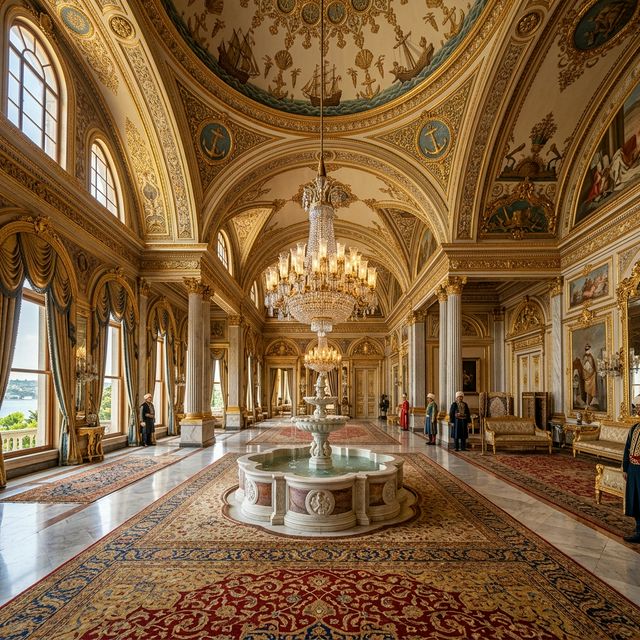
Grand reception hall showing the Balyan architects' mastery

The Balyan Architects

The palace was designed by the renowned Armenian architects Agop Balyan and Sarkis Balyan, members of the illustrious Balyan family who served as the chief architects of the Ottoman court for five generations.

The Balyans created a unique architectural vision that seamlessly blended Western neoclassical, Baroque, and Rococo elements with traditional Ottoman design principles. While the exterior reflects strong European influences with its marble columns, ornate pilasters, and classical proportions, the interior maintains the traditional Turkish house plan organized around a central hall (sofa).

One of the most distinctive features is the nautical motifs adorning the ceilings throughout the palace — anchors, ships, and maritime instruments — a reflection of Sultan Abdülaziz's deep passion for the Ottoman Navy and his vision of naval modernization.

Notable Guests & Royal Visitors

Beylerbeyi Palace hosted some of the most prominent figures of the 19th and early 20th centuries.

Empress Eugénie of France

Wife of Napoleon III, she visited in 1869 during the opening of the Suez Canal. So enchanted was she by the guest room's windows that she had identical ones installed in her bedroom at the Tuileries Palace in Paris.

Emperor Franz Joseph of Austria

The Austro-Hungarian Emperor was hosted at Beylerbeyi during his state visit to Istanbul. He was reportedly impressed by the palace's luxurious interiors and stunning Bosphorus setting.

Duke & Duchess of Windsor

The former King Edward VIII of England and Wallis Simpson visited the palace, adding to its distinguished list of royal guests from across Europe and beyond.

"In its later years, the palace became the gilded cage of Sultan Abdülhamid II, who was deposed in 1909 and spent his final six years in confinement here until his death on February 10, 1918."

A Poignant Chapter The Last Sultan to reside in Beylerbeyi Palace

Historical Timeline

Key moments in the history of Beylerbeyi Palace, from its inception to the present day.

1829

First Palace Built

Sultan Mahmud II orders the construction of a wooden palace on the Beylerbeyi waterfront, establishing the site as an imperial retreat.

1851

Destroyed by Fire

A devastating fire destroys the original wooden palace, leaving the prime Bosphorus site vacant for a decade.

1861–1865

Construction of Current Palace

Sultan Abdülaziz commissions the Balyan architects to build a grand marble replacement. The new palace takes four years to complete.

1869

Empress Eugénie's Famous Visit

The French Empress visits during her journey to the Suez Canal opening and is so impressed she replicates the window designs at the Tuileries.

1909

Abdülhamid II's Confinement

After being deposed, Sultan Abdülhamid II is placed under house arrest at Beylerbeyi Palace, where he will spend his remaining years.

1918

The Last Sultan at Beylerbeyi

Sultan Abdülhamid II passes away at the palace on February 10, 1918, ending its era as a royal residence.

Present Day

Museum & Cultural Heritage Site

Today, Beylerbeyi Palace operates as a museum under the National Palaces Administration, welcoming visitors from around the world to experience Ottoman grandeur.

Architectural Highlights

The unique features that make Beylerbeyi Palace a masterpiece of Ottoman architecture.

White Marble Facade

The entire exterior is crafted from white marble and stone, featuring ornate columns, pilasters, and intricate stonework.

East Meets West

A masterful fusion of neoclassical European exteriors with traditional Ottoman interior layouts centered around central halls.

Crystal Chandeliers

Magnificent Baccarat and Bohemian crystal chandeliers illuminate every hall, some weighing over a ton.

Hereke Carpets

Priceless hand-woven Hereke carpets cover floors laid with Egyptian straw mats for natural temperature regulation.

Experience the Grandeur

Walk the halls where sultans once roamed and empresses were enchanted. Book your visit to Beylerbeyi Palace today.

Buy Tickets Explore Sections
Buy Tickets